


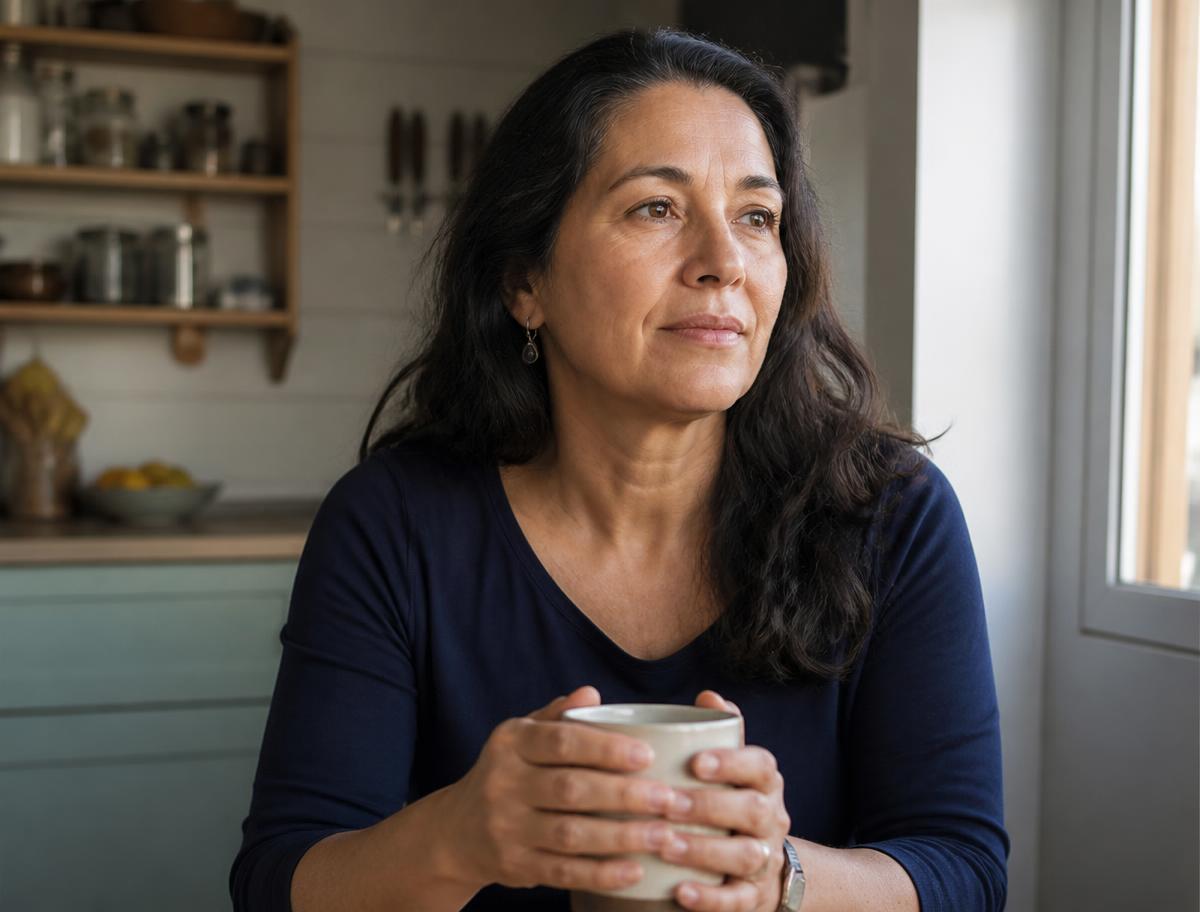
Women
Most of the harm still falls here, and most services were built for it. We add what is usually missing: time, follow up, and someone who stays past the crisis.
In danger now? Call 911. Confidential 24 hour support: 1-800-799-7233
Give
Nopa Foundation
We stand with survivors of domestic abuse of every gender and every age. Women, men, elders and children. Confidential support, safety planning, and help finding what you actually need, at no cost and at your pace.
In immediate danger? Call 911. For confidential 24 hour support, call the National Domestic Violence Hotline on 1-800-799-7233, or text START to 88788.
Need to talk to someone today? You do not have to have decided anything.
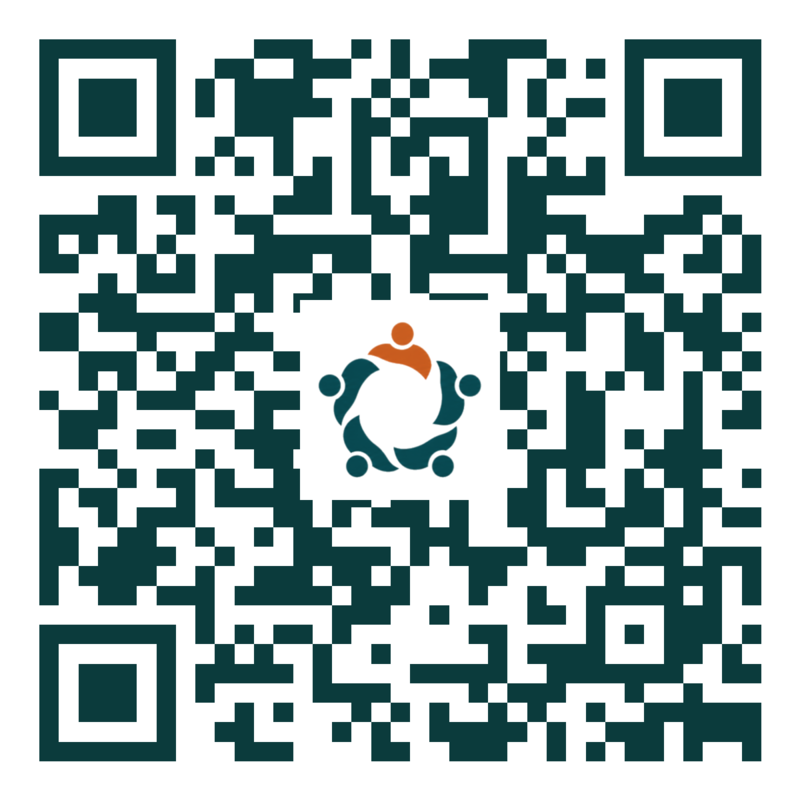
Carry the help with you
Point your camera at the code, open the link, then choose Install app or Add to Home Screen. It opens like any other app, with helplines, warning signs and reporting guidance a single tap away. Delete it any time.
Nopa Foundation exists to end domestic abuse and to stand with the people living through it. Not only women, though women carry most of it. Men, elders, children, and anyone whose home has stopped being a safe place. We do this by listening first, by telling the truth about what abuse is, and by building the partnerships that make a different outcome possible.
The lay of the land
Every figure on this site is attributed. We use the World Health Organization, the Centers for Disease Control and Prevention, and United Nations reporting, and we name the publication so you can check it yourself.
1 in 3
women worldwide, about 840 million, have been subjected to physical or sexual violence by an intimate partner, or sexual violence by someone else, in their lifetime
World Health Organization, 2023 prevalence estimates1 in 6
men in the United States, about 20.7 million, have experienced contact sexual violence, physical violence or stalking by an intimate partner
Centers for Disease Control and Prevention1 in 6
people aged 60 and over experienced some form of abuse in a community setting in the past year
World Health Organization, abuse of older people$3.6tn
estimated lifetime economic cost of intimate partner violence in the United States, across health care, lost work and criminal justice
Peterson et al., cited by CDC NISVSWho we are for
A service that can only recognise one kind of victim quietly chooses who gets left behind. We build every programme so that all four of these groups are named from the start.
Most of the harm still falls here, and most services were built for it. We add what is usually missing: time, follow up, and someone who stays past the crisis.
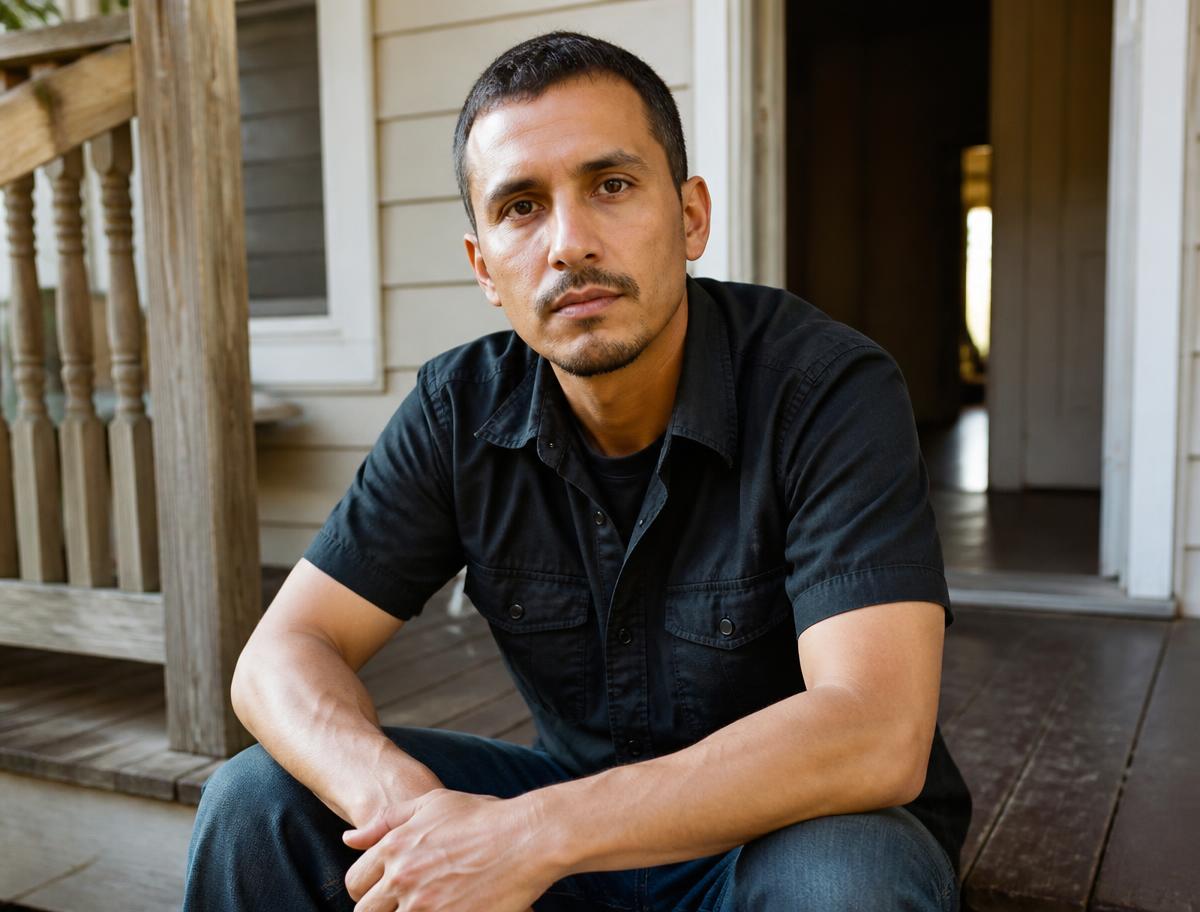
More than one in six men in the United States have experienced partner violence or stalking. Almost none expect to be believed. Here, you will be.
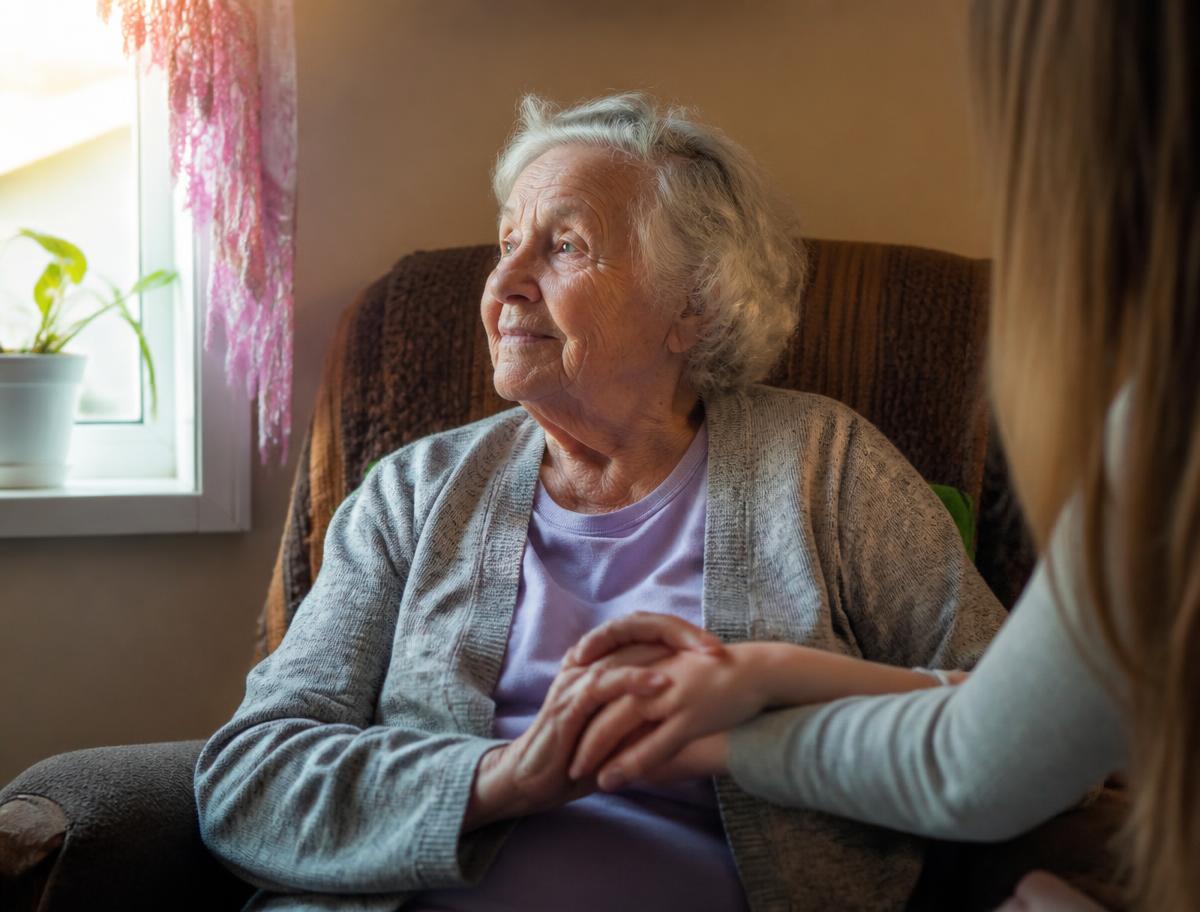
Control of money, medication and post, usually by an adult child or carer. It is rarely called domestic abuse, and that is part of why it lasts.
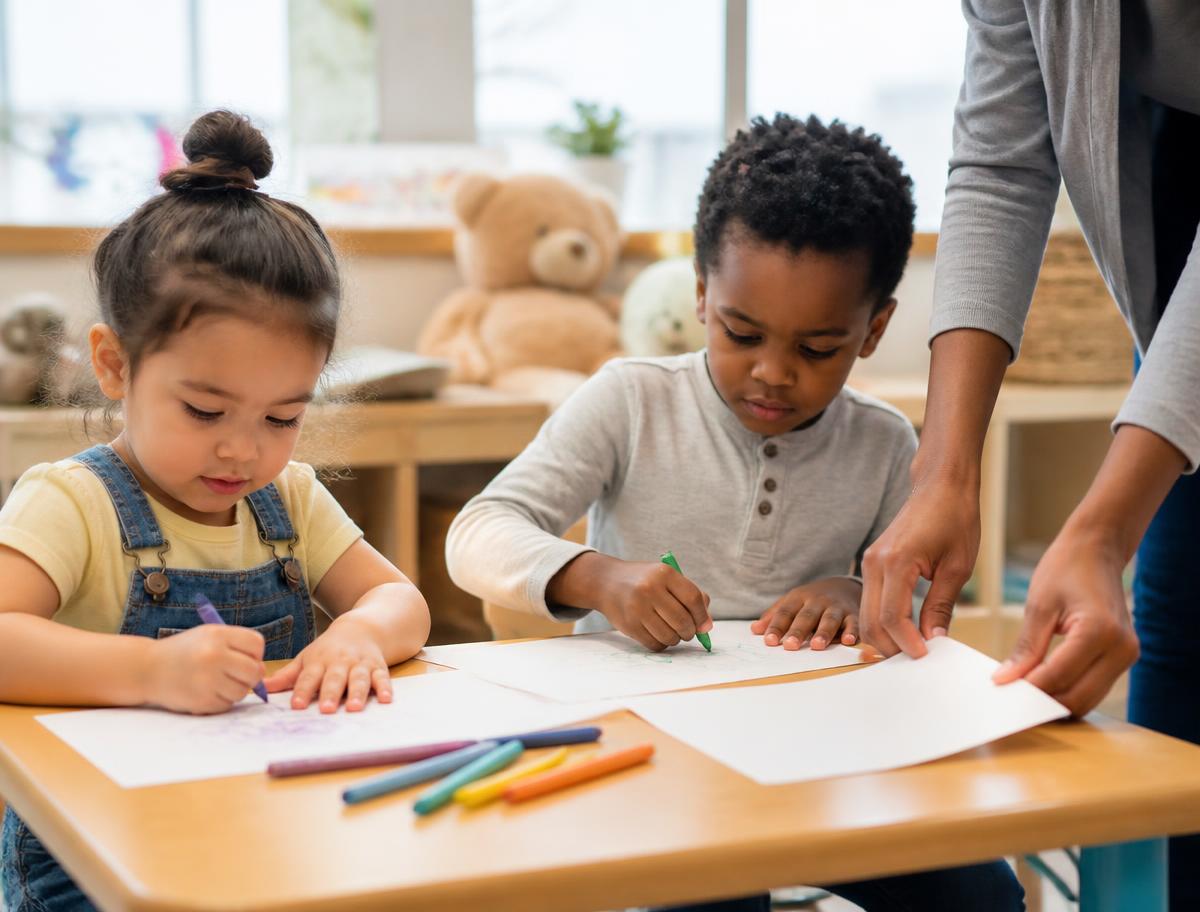
They heard it, whatever the adults tell each other. One steady, trustworthy adult changes the outcome more than anything else we know of.
Understanding the harm
Beyond the forms most people recognise, survivors and advocates confront trafficking, stalking, forced marriage, spiritual abuse, female genital mutilation, and more. Each page below defines the harm, names the warning signs, and points to where you can get help.
Is this happening to me?
You do not need every one of these, and you do not need a bruise. If two or three feel familiar, that is reason enough to talk to somebody.
Talk to someoneWhat we do
How we work
The first response a survivor receives shapes everything that follows. We start from belief, and we never ask anyone to prove what happened to them.
Leaving is the most dangerous moment in an abusive relationship. We plan for safety at your pace, and we do not push anyone toward a decision.
Women, men, elders, children, of any background or gender. Abuse is not a single story, and a service that only recognises one version fails the rest.
We refer generously, we share what we learn, and we measure ourselves by what happens to a person, not by which logo was on the door.
Where we are heading
Most survivors live with abuse for years before they contact any service. We want the first honest conversation to happen sooner, and to happen well.
Men, elders and children are consistently under-served. We build every programme so those groups are named and provided for from the start, not added later.
A phone number is not a service. We follow people through the handover and check, a week later, that something actually happened.
Congregations, workplaces, clinics and police. When those rooms respond well, fewer people ever reach crisis.
From the Editorial Team
Give
Bus fare. A deposit. A filing fee. A phone the other person cannot track. Your gift removes those obstacles one at a time.
Nopa Foundation is a registered 501(c)(3) tax exempt organisation.


